Natural pest control methods for aphids on ornamental flowers
Aphids are small, soft-bodied insects that can appear on ornamental flowers in gardens and landscapes. They typically feed on the sap of tender new growth, including leaves, stems, and buds. When populations become dense, leaves may curl, yellow, or become distorted, and buds can fail to open properly. The presence of sticky honeydew excreted by aphids can also lead to sooty mold on foliage. Addressing aphid presence without using synthetic insecticides involves understanding their biology and employing a range of cultural and biological approaches. This article outlines methods that can be part of a broader pest management strategy for ornamental flowers, emphasizing processes rather than guaranteed outcomes.
The goal of a non‑chemical approach is not to eliminate every aphid but to maintain populations at levels that do not cause significant damage to ornamental plants. Many natural control methods work by creating conditions that favor beneficial insects, using plant‑based products that affect aphid behavior or feeding, or physically removing aphids. The effectiveness of any method depends on factors such as the species of aphid, the type of ornamental flower, the surrounding environment, and the timing of intervention. Regular monitoring is a key part of any process, as it allows the gardener or landscaper to adjust strategies as conditions change.
Understanding Aphids and Their Impact on Ornamental Flowers
Aphids belong to the superfamily Aphidoidea and encompass many species that specialize on different host plants. On ornamental flowers, common aphid species include the green peach aphid, melon aphid, and rose aphid. These insects have piercing‑sucking mouthparts that they insert into plant tissue to extract phloem sap. Heavy feeding can reduce the plant’s vigor, and the loss of sap may cause leaves to wilt or drop prematurely. In addition, aphids can transmit plant viruses, though this is more of a concern in certain crops than in most ornamental settings. Understanding the life cycle is helpful for timing interventions. Aphids reproduce rapidly, often giving birth to live young without mating, which means populations can explode under favorable conditions. Many species also produce winged forms that can migrate to new plants. This reproductive capacity means that management practices need to be consistent and responsive rather than one‑time actions.
Beneficial Insects as Biological Control Agents
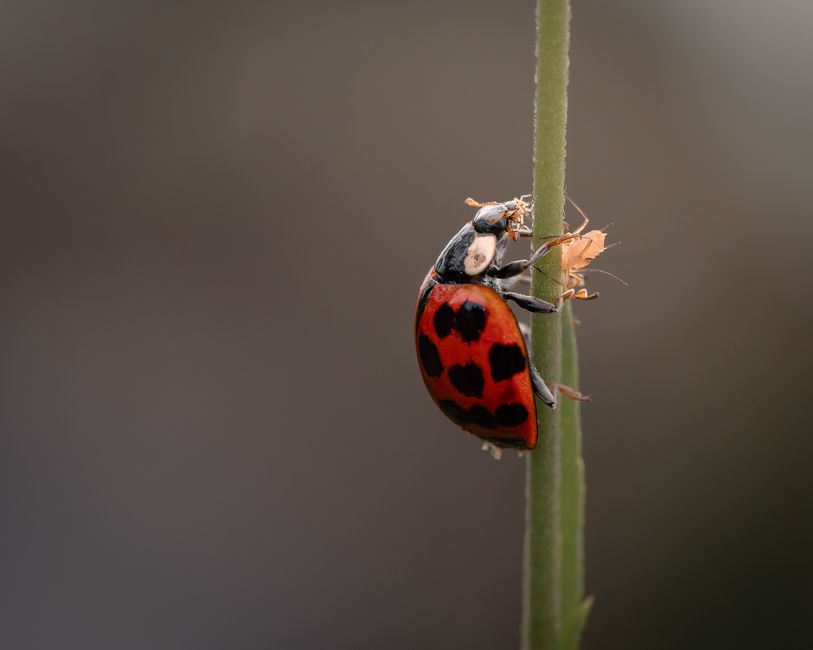
Ladybugs, also known as lady beetles or coccinellids, are among the most recognized natural predators of aphids. Both adult ladybugs and their larvae feed on aphids. The larvae are particularly voracious and can consume dozens of aphids per day. However, simply releasing ladybugs into a garden does not automatically lead to long‑term control. The success of this approach depends on several factors, including the availability of food (aphids), the presence of alternative prey, and the environmental conditions at the time of release. For ladybugs to stay and reproduce, there should be a sustained aphid population, as well as shelter and water sources. In some cases, introducing native ladybug species or encouraging existing populations through habitat management can be more effective than purchasing and releasing non‑local species. Other beneficial insects that prey on aphids include lacewings, hoverfly larvae, and parasitic wasps. Creating a diverse garden with flowering plants that provide nectar and pollen can help support these natural enemies throughout the season. Bloom Haven offers a selection of native wildflower mixes that can be planted near ornamental beds to attract beneficial insects.
Neem Oil: A Botanical Approach to Aphid Management
Neem oil is derived from the seeds of the neem tree and contains compounds that can affect insect feeding, growth, and reproduction. When applied to plants, neem oil can interfere with aphids’ ability to feed and may reduce their reproductive rate. It is not an instant knockdown agent; rather, it works gradually and may need multiple applications. The oil acts by coating the insects and suffocating them or by being absorbed into the plant tissue and disrupting hormonal processes. Because neem oil is a contact product, thorough coverage of the infested areas is important. It is typically mixed with water and a mild soap or surfactant to help it spread. Application should be done in the early morning or late evening to avoid leaf burn and to protect beneficial insects that may be active during the day. Neem oil can also affect non‑target insects if sprayed directly, so targeting only the affected plant parts and avoiding open flowers can help minimize unintended consequences. The effectiveness of neem oil can vary based on the concentration used, the ambient temperature, and the size of the aphid population. It is often considered one component of an integrated management plan rather than a sole solution.
Water Sprays and Physical Removal Techniques
A strong spray of water can dislodge aphids from ornamental flowers, particularly from tender new growth where they often cluster. Using a garden hose with a spray nozzle set to a medium‑to‑high pressure can knock aphids off the plant and onto the ground, where they are less likely to return. This method works best when repeated every few days during periods of active aphid reproduction, as new aphids may migrate back or emerge from eggs. Water sprays do not kill aphids directly but can reduce their numbers sufficiently to prevent damage. It is important to avoid using excessive pressure that might damage delicate petals or stems. For smaller infestations, manual removal by rubbing aphids off with fingers or using a soft brush can be effective. Some gardeners also prune heavily infested shoots or leaves, though this should be done with care to preserve the ornamental shape of the plant. Physical removal is most practical when infestations are localized and caught early. As with all methods, monitoring the plants after removal helps determine whether further action is needed.
Integrated Monitoring and Long‑Term Management
Consistent observation is the foundation of any natural pest control strategy. Regularly inspecting the undersides of leaves, around buds, and along stems allows for early detection of aphid activity. A simple approach is to check a few representative plants each week during the growing season. Noting the presence of beneficial insects, the condition of the plants, and the general trend in aphid numbers provides information that can guide decisions. If aphid populations remain low even without intervention, it may indicate that natural enemies are keeping them in check. If populations increase, a combination of methods—such as releasing ladybugs, applying neem oil, and using water sprays—can be considered. The timing and intensity of these measures should be adapted based on the specific ornamental flower species and the surrounding environment. Factors like temperature, rainfall, and the presence of ants can also influence aphid populations (ants sometimes protect aphids from predators in exchange for honeydew). Maintaining overall plant health through proper watering, fertilization, and spacing can reduce the susceptibility of ornamental flowers to aphid damage. No single natural method provides a guarantee, but a thoughtful, process‑oriented approach can help keep aphid numbers within acceptable limits while avoiding the use of synthetic chemicals.