Clay soil is a common challenge for many gardeners, especially when it comes to growing decorative plants such as flowers and ornamentals. Its dense, heavy texture can make water drainage slow and root development difficult. For beginners, understanding how to work with clay soil rather than against it is an important first step toward a healthier garden. This article explores practical methods for amending clay soil, with a focus on organic materials and techniques that support long-term soil structure.
While clay soil holds nutrients well, its fine particles tend to compact easily, reducing the air spaces that roots need. Over time, this can lead to waterlogged conditions and shallow root systems. The goal of amending clay soil is not to change its fundamental nature, but to improve its porosity and biological activity. By adding organic matter and following a few straightforward practices, gardeners can create a more balanced environment where decorative plants have a better chance to thrive.
Understanding Clay Soil Characteristics
Clay soil is composed of very small mineral particles that pack tightly together. This gives the soil a sticky feel when wet and a hard, cracked surface when dry. One of the main challenges associated with clay is its slow drainage. After rain or watering, water can pool on the surface for hours or even days, which may lead to root rot in sensitive ornamental species.
Another characteristic of clay soil is its high nutrient-holding capacity. The same particle structure that impedes drainage also traps minerals and organic compounds. However, these nutrients are not always readily available to plants if the soil remains compacted or waterlogged. Understanding these properties helps gardeners see clay soil as a resource that needs careful management rather than a problem to be eliminated.
It is also worth noting that clay soils vary regionally. The specific type of clay, its pH, and the amount of organic material already present can all influence how it responds to amendment. Gardeners are encouraged to observe their own soil conditions over time before deciding on a treatment plan.
Testing Soil and Assessing Drainage
Before making any changes, it can be useful to gain a clearer picture of the existing soil conditions. A simple jar test can help estimate the proportions of sand, silt, and clay in the soil. To perform this test, a sample of soil is mixed with water in a clear container and allowed to settle. The layers that form over 24 to 48 hours give a rough indication of the soil texture.
Drainage can be assessed by digging a hole about twelve inches deep and filling it with water. After allowing it to drain completely, the hole is filled again. The time it takes for the water level to drop by an inch or two provides a practical measure of infiltration rate. In many clay soils, this rate may be less than half an inch per hour. Such results suggest that improving soil structure and drainage could be beneficial for most decorative plants.
Soil pH testing is another step that can provide helpful context. Many decorative plants prefer a slightly acidic to neutral pH, while clay soils tend to be more alkaline. Knowing the pH can influence choices about which organic amendments to use and which plants are most likely to adapt well to the existing conditions.
Adding Organic Matter to Clay Soil
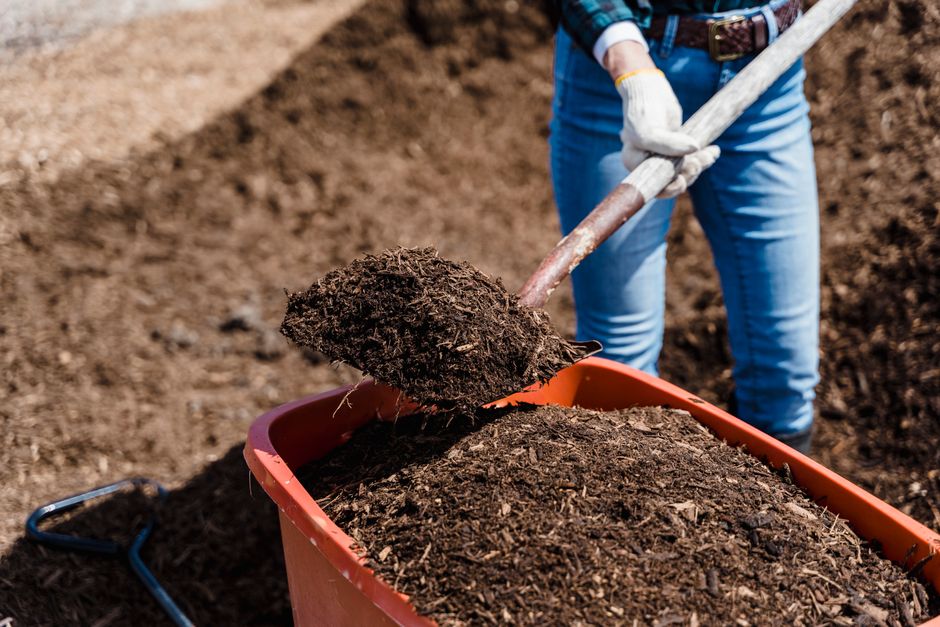
One of the most effective ways to improve clay soil is by incorporating organic matter. Materials such as compost, well-rotted manure, leaf mold, and aged bark chips can help separate clay particles, creating small channels for air and water movement. Over time, organic matter also supports beneficial microorganisms and earthworms, which further contribute to soil aeration and nutrient cycling.
For best results, organic matter should be applied to the soil surface and then gently worked into the top six to eight inches. A depth of two to three inches of compost is a common starting point. It is important to avoid overworking clay soil when it is too wet, as this can lead to compaction. Ideally, the soil should be moist but not saturated when amendments are added.
Regular applications of organic matter over several growing seasons can gradually change the soil’s texture and drainage characteristics. The process does not happen overnight, and results often depend on climate, the type of clay, and the quality of the organic material used. Many gardeners find that yearly top-dressing with compost is a manageable approach that yields steady improvements.
Improving Drainage Through Aeration and Structure
While organic matter plays a primary role in loosening clay, additional techniques can help improve drainage further. Core aeration, which involves removing small plugs of soil, can create immediate pathways for water and air. This is especially useful on existing lawns or beds where deep cultivation is not practical. For ornamental beds, careful digging or tilling when the soil moisture is right can also help break up compacted layers.
Some gardeners consider using gypsum as a soil conditioner for clay. Gypsum may help flocculate clay particles in certain types of clay soils, particularly those with high sodium content. However, its effectiveness is not universal, and it is not a substitute for organic matter. Testing soil before application can help determine whether gypsum would be appropriate in a given situation.
Raised beds are another option for improving drainage in areas with heavy clay. By planting in mounds or constructed beds filled with a mix of topsoil and organic compost, roots are elevated above the dense subsoil. This method allows for better control over soil texture and is often recommended for decorative plants that are particularly sensitive to wet feet.
Planting Strategies for Clay Soil Gardens
Choosing decorative plants that are naturally adapted to clay soil can simplify the amendment process. Species such as bee balm, coneflower, black-eyed Susan, and certain varieties of daylily and astilbe tend to tolerate heavier soils. For annual flowers, marigolds and zinnias are often successful when planted in well-prepared clay beds.
When planting in amended clay soil, it is helpful to dig a slightly wider hole than the plant’s root ball and avoid creating a “bowl” that can collect water. Planting at the correct depth is important: shallow planting in clay soil can reduce the risk of root rot. After planting, a layer of mulch, such as shredded bark or straw, can help moderate soil temperature, reduce evaporation, and minimize surface crusting.
Over time, the combination of appropriate plant selection, thoughtful planting methods, and ongoing soil care can lead to a garden where clay soil no longer seems like an obstacle. Each garden is unique, and outcomes often depend on local weather patterns, the specific condition of the soil, and the level of regular attention to soil health.
Ongoing Maintenance and Seasonal Care
Maintaining improved clay soil requires consistent but gentle care. Heavy traffic on wet soil should be avoided, as it can undo progress by recompacting the ground. Using stepping stones or designated paths can help protect the soil structure in ornamental beds.
Mulching every spring with a fresh layer of organic material continues the process of feeding the soil and protecting its surface. As the mulch breaks down, it adds more humus to the upper soil layers, further supporting microbial life. In autumn, leaves can be raked and left on beds as a natural mulch, or chopped and added to compost piles for future use.
Watering practices also matter. Deep, infrequent watering encourages roots to grow deeper into the soil, while frequent shallow watering often leads to weak root systems. In clay soil, applying water slowly at a low pressure helps prevent runoff and allows moisture to infiltrate more evenly. Drip irrigation or soaker hoses are tools that can be especially helpful for decorative plants in amended clay beds.
Gardeners at Bloom Haven have found that observing how the soil responds through the seasons provides the best guidance for future amendments. No single approach works for every location, but the principles of adding organic matter, improving drainage, and choosing appropriate plants offer a reliable foundation for beginners.