Creating a colorful container garden with annuals and perennials
Creating a container garden that offers both immediate color and lasting structure is a common goal for many balcony gardeners. By combining quick-growing annuals with long-lived perennials, it is possible to enjoy a display that evolves throughout the season while maintaining a consistent framework. This approach allows for flexibility in design, as annuals can be replaced each year, while perennials return to provide a reliable foundation.
Understanding the basic requirements of container gardening is essential before selecting plants. Container size, drainage, and soil composition each play a role in the health and longevity of the plants. When annuals and perennials are grown together in the same pot, their different growth rates and root systems must be considered to avoid competition. With careful planning, these two plant types can support each other, resulting in a vibrant and balanced arrangement.
The following sections explore practical considerations for setting up a mixed container garden on a balcony or similar space. Key topics include choosing appropriate containers, ensuring adequate drainage, selecting annuals and perennials that thrive together, and creating visually appealing combinations. All recommendations are based on general horticultural practices and should be adapted to local climate conditions and available sunlight.
Choosing the Right Container Size
The size of a container directly influences the available space for root development and the amount of moisture retained around the plants. When mixing annuals and perennials, a larger container is often beneficial because it provides more room for roots to expand and reduces the frequency of watering. For balconies, typical container capacities range from 10 to 20 gallons, though smaller pots can work for species with compact growth habits.
Material choice also affects how the container interacts with the environment. Terracotta and unglazed ceramic pots allow air and moisture to pass through the walls, which can help prevent overwatering but may require more frequent irrigation in hot weather. Plastic, resin, and glazed ceramic containers retain moisture longer, making them suitable for dry conditions or for gardeners who water less often. The decision between these materials should take into account the local climate, the sun exposure of the balcony, and the specific needs of the chosen plants.
It is advisable to select a container with a diameter that accommodates the mature spread of both the perennial and the annuals. For example, a pot that is at least 18 inches wide can support a medium-sized perennial shrub surrounded by several trailing or upright annuals. Ensuring that the container is not too shallow for deep-rooted perennials is also important, as shallow root systems may lead to stress during hot periods.
Ensuring Proper Drainage
Good drainage is critical for the health of plants grown in containers, particularly when combining species with different moisture preferences. Without adequate drainage, excess water can accumulate at the bottom of the pot, leading to root rot and other issues. Most containers come with drainage holes, but some decorative pots may require drilling or the use of an inner liner.
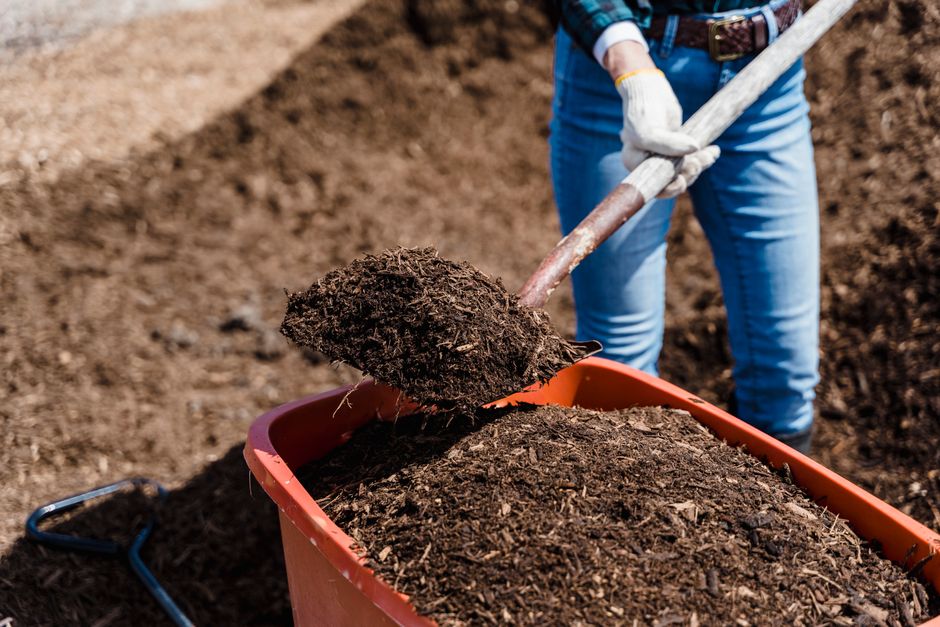
In addition to drainage holes, the choice of potting mix contributes significantly to water movement. A high-quality, well-draining potting medium specifically designed for containers is recommended. Mixes that contain perlite, vermiculite, or coarse sand improve aeration and prevent compaction. Garden soil, on the other hand, is generally too dense for containers and can hinder root respiration.
An alternative approach is to place a layer of coarse material, such as gravel or broken pottery shards, at the bottom of the pot. While this layer does not replace the need for drainage holes, it can help keep the potting mix from washing out and may encourage excess water to move away from the root zone. Regular monitoring of moisture levels is still necessary, as even well-drained containers can become waterlogged after heavy rainfall or excessive watering.
Selecting Annuals for Continuous Bloom
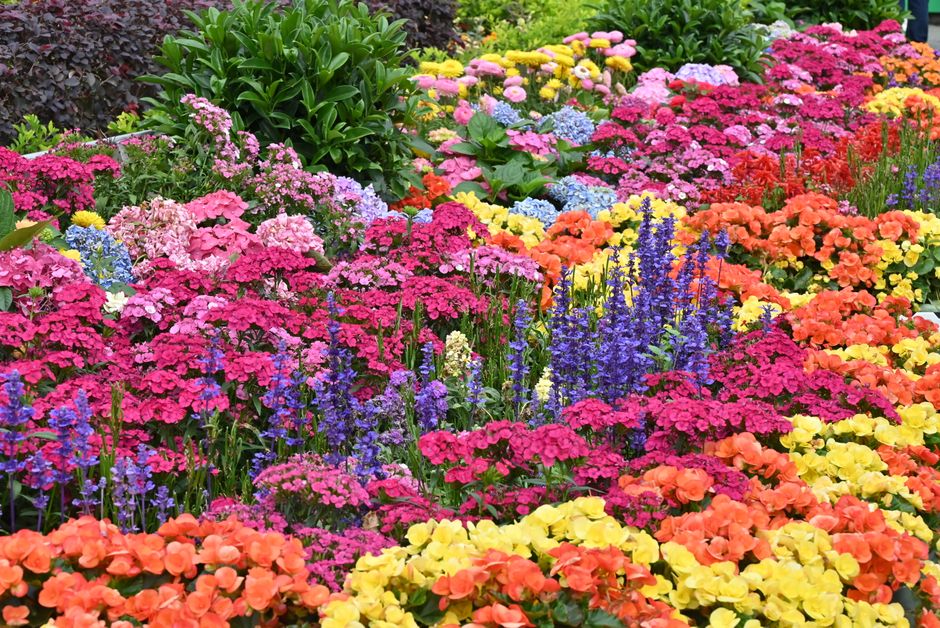
Annuals are chosen primarily for their ability to produce flowers throughout the growing season, often from spring until the first frost. They complete their life cycle in one year, which allows gardeners to change color schemes and textures annually. Common annuals suitable for container combinations include petunias, marigolds, zinnias, and verbena, each offering a range of colors and growth habits.
When selecting annuals to pair with perennials, it helps to consider the height and spread of the plants. Upright annuals can provide vertical interest, while trailing varieties soften the edges of the container. For balconies that receive strong sunlight, heat-tolerant annuals such as lantana or portulaca may perform better. In shadier locations, impatiens or begonias are reliable options.
The timing of planting also matters. Annuals are typically planted after the last frost date in spring, and they benefit from consistent deadheading to encourage continued blooming. Because annuals are replaced each year, they offer an opportunity to experiment with different color palettes and forms without committing to a permanent arrangement.
Selecting Perennials for Long-Term Structure
Perennials provide the backbone of a mixed container garden. They return year after year, though some may require protection in colder climates or during winter months. When grown in pots, perennials often need repotting every few years to refresh the soil and manage root crowding. Common perennials for containers include lavender, salvia, echinacea, and ornamental grasses.
Because perennials are intended to remain in place for multiple seasons, selecting specimens with a compact growth habit is advisable. Many perennials can be kept at a manageable size through pruning or division. Their bloom periods vary; some flower for only a few weeks, while others bloom repeatedly if deadheaded. A well-chosen perennial can serve as a focal point around which annuals are arranged each year.
Hardiness is another consideration. Container-grown perennials are more exposed to temperature extremes than those in the ground. In regions with cold winters, insulating the pot or moving it to a sheltered location may extend its life. Choosing perennials that match the local climate zone increases the likelihood of successful overwintering in the container.
Plant Pairings and Design Principles
Pairing annuals and perennials in a single container involves balancing color, texture, and growth habits. A common design approach is to use a thriller, filler, and spiller combination. The thriller is a tall, striking plant that draws the eye, such as a perennial like salvia or a tall annual like cleome. The filler consists of mounded plants that fill the middle, often annuals like petunias or perennials like heuchera. The spiller trails over the edge, with options such as ivy geranium or sweet potato vine.
Color coordination can be guided by a complementary or analogous color scheme. For example, purple perennial salvia paired with yellow annual marigolds creates strong contrast, while pink annual verbena with purple perennial lavender provides harmony. Foliage color and texture also contribute to the overall effect. Gray-leaved perennials like artemisia contrast well with bright green or burgundy annual foliage.
Another factor is bloom time overlap. While annuals typically bloom continuously, perennials may have a defined flowering period. Selecting perennials with extended or repeat bloom seasons ensures that there is always some floral interest in the container. Alternatively, using foliage perennials as the base and relying on annuals for flowers can create a stable visual structure that changes annually.
Regular maintenance, including watering, fertilizing, and pruning, supports the health of both plant types. A balanced, slow-release fertilizer applied at planting and supplemented during the growing season can meet the nutritional needs of both annuals and perennials. Observing how the plants respond to their environment over time allows for adjustments in future seasons.